
Description
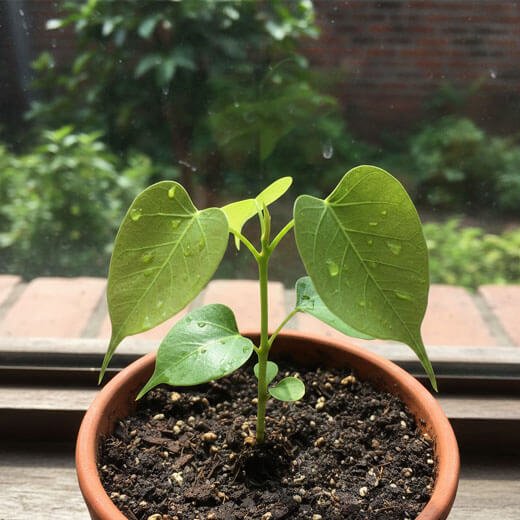
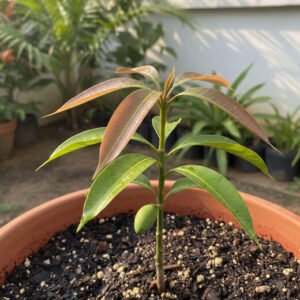
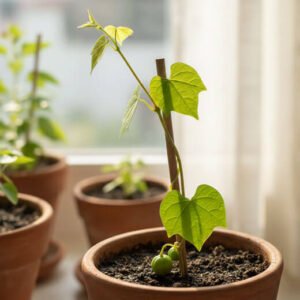
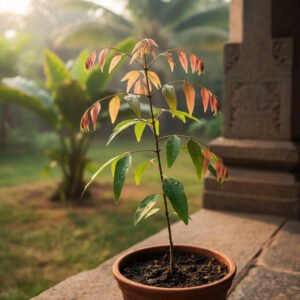
Peepal Sapling (Ficus religiosa)
-
Botanical Name: Ficus religiosa
-
Common Name: Peepal Tree, Sacred Fig
-
Type: Deciduous, large shade-providing tree
-
Growth Habit: Fast-growing; can reach 20–30 meters in height over decades
-
Leaves: Heart-shaped, with a distinctive extended tip; turns green to yellow in autumn
-
Roots: Strong and extensive, ideal for soil conservation and air purification
-
Planting Season: Best planted during the monsoon (June–September) for optimum growth
-
Soil Requirement: Thrives in well-drained, fertile soil; tolerates sandy, loamy, and clay soils
-
Sunlight Requirement: Requires full sunlight for healthy growth
-
Watering Needs: Moderate; young saplings need regular watering, mature trees are drought-tolerant
-
Environmental Benefits:
-
Produces abundant oxygen and improves air quality
-
Reduces carbon dioxide levels and pollution
-
Provides shade and supports urban biodiversity
-
-
Cultural and Religious Significance:
-
Sacred in Hinduism, Buddhism, and Jainism
-
Often planted near temples and public spaces for spiritual and social value
-
-
Medicinal Uses: Leaves, bark, and fruit are used in traditional medicine for treating asthma, diabetes, and digestive issues
-
Wildlife Support: Flowers and fruits attract birds, bees, and other pollinators, enhancing local ecology
-
Usage: Suitable for parks, gardens, roadways, schools, and home plantations
Key Advantage: A Peepal sapling is not just a tree—it is a long-term investment in environmental health, spiritual heritage, and urban greenery.
Reviews
There are no reviews yet.