
Description
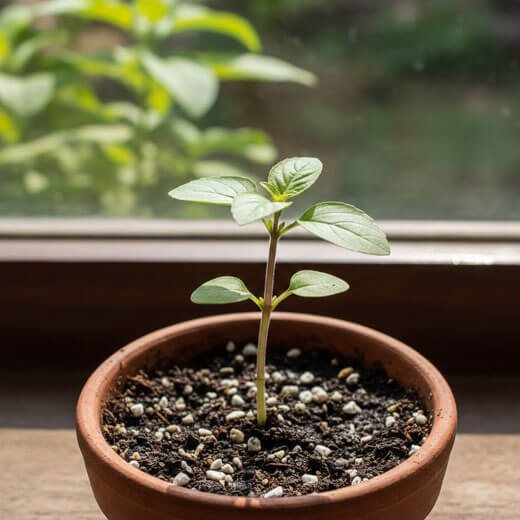
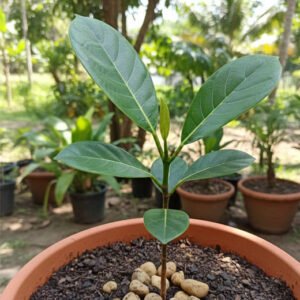
Tulsi Sapling (Ocimum sanctum)
-
Botanical Name: Ocimum sanctum
-
Common Name: Tulsi, Holy Basil
-
Type: Aromatic, medicinal, and sacred herb
-
Growth Habit: Small shrub; grows up to 30–60 cm in height
-
Leaves: Oval, green or purple-tinged, aromatic; rich in essential oils
-
Planting Season: Best planted during monsoon (June–September) for strong root establishment
-
Soil Requirement: Well-drained, fertile soil; tolerates sandy, loamy, and clay soils
-
Sunlight Requirement: Requires full sunlight for optimal growth
-
Watering Needs: Regular watering for young saplings; moderate watering for mature plants
-
Environmental Benefits:
-
Purifies air and enhances indoor and outdoor air quality
-
Attracts pollinators like bees and butterflies, supporting local biodiversity
-
-
Cultural and Religious Significance:
-
Sacred in Hindu households; considered auspicious for daily worship
-
Often planted in courtyards and temples
-
-
Medicinal Uses:
-
Leaves are used in Ayurveda to treat cough, cold, asthma, stress, and inflammation
-
Boosts immunity and has antibacterial, antiviral, and antioxidant properties
-
-
Usage: Suitable for home gardens, courtyards, terraces, balconies, and medicinal plantations
-
Key Advantage: A Tulsi sapling is a combination of health, spirituality, and environmental benefit, making it an ideal plant for households and community spaces
Reviews
There are no reviews yet.